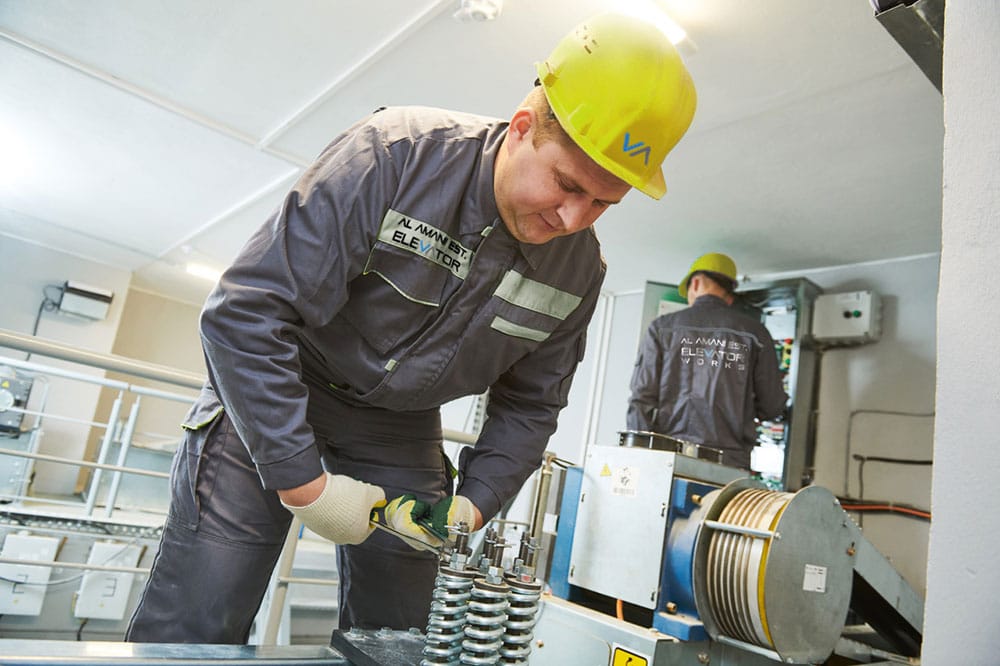
Elevator installation is a complex process that requires specialized skills and knowledge. To ensure safe and efficient operation, elevator companies must train their installation crews thoroughly.
This document will explore how an elevator company Abu Dhabi trains its installation crews, including the training program’s structure, content, and the methods used to prepare crews for successful installations.
Learning the basics of safety:
Safety stays at the top of every list during the first week of training. New workers learn how to use harnesses and tools without making mistakes. They study how to spot risks before they happen to keep the site clean and safe. This phase builds a strong base for everything that comes later.
Reading the blueprints:
Blueprints act as a map for every new project. Crews spend time looking at lines and numbers to see where every part goes. They learn to see the whole system in their heads before they pick up a wrench. Accurate reading prevents errors that could slow down the build.
Handling the heavy parts:
Moving large pieces of steel takes great skill and care. Trainers show crews how to use lifts and ropes to move motors into place. They practice lifting techniques that protect their bodies and the equipment. Every move must be smooth to keep the project on track.
Wiring the control board:
The brain of the system needs careful hands to connect every wire. Workers learn how to plug in the sensors that tell the doors when to open. They test the buttons many times to ensure the signals are clear. This part of the work ensures the ride is always smooth.
Testing for a smooth ride:
Once the parts are in, the crew runs tests all day long. They check if the car stops exactly at the level of the floor. They listen for small noises that might mean a part needs a quick adjustment. Only a perfect test allows the work to be finished.
Working as a single team:
Good communication keeps the crew moving at a steady pace. One person watches the top while another works at the bottom of the shaft. They use hand signals and radios to stay in touch every minute. Great teamwork results in a finished product that everyone can trust.