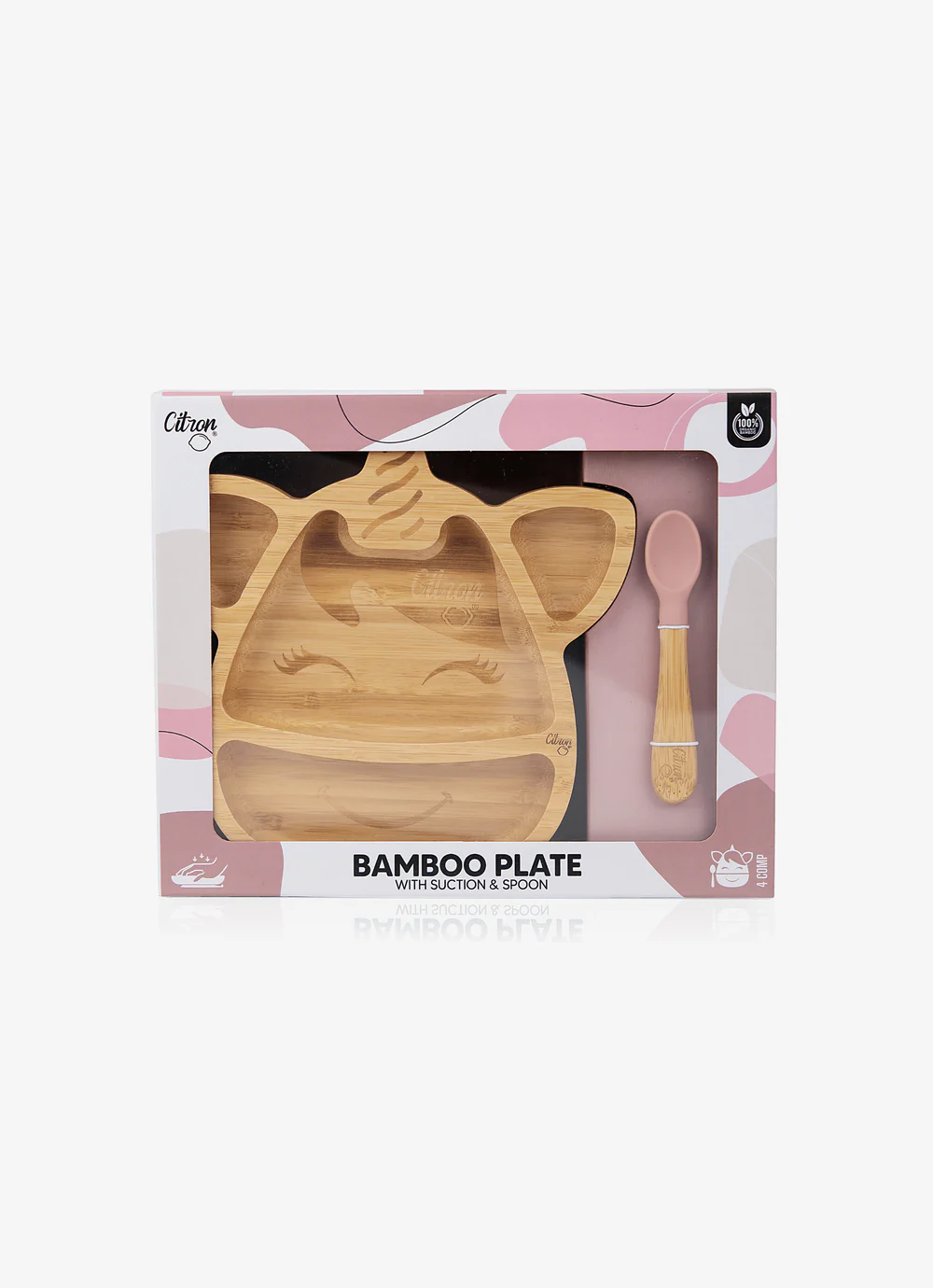
A child refusing food based on texture or color can turn any meal into a stressful event. Small changes to the plate design often bring big relief for sensitive eaters. Let’s go through helpful features that make kids plates a real solution for such families.
Plates with walls:
Divided dishes keep food items separate so they do not touch. This helps children who dislike mixed textures or flavors. High walls also help a child scoop food against the edge without it falling off. Keeping every item in its own spot helps a meal look organized and safe to eat.
Soft matte finishes:
Bright lights reflecting off shiny plastic can hurt a child’s eyes or cause stress. Using dishes with a dull or matte finish stops this glare. These items usually feel soft to the touch, which is pleasing for those with skin sensitivity. A calm surface helps a child focus on eating rather than the plate itself.
Steady suction bases:
Spills and moving dishes can cause a lot of worry during dinner. Plates that stick to the table stay in one place even if a child bumps them. This stability provides a sense of control and prevents loud noises from sliding plastic. A firm base allows a child to eat with confidence.
Neutral color choices:
While many dishes for children come in bright neon colors, these can be too loud for a sensitive brain. Soft grey, tan, or light blue shades are much more relaxing. Neutral tones help the food stand out clearly so there are no surprises. A quiet color choice makes the whole environment feel much more peaceful.
Heavy weighted options:
Some children need to feel the weight of an object to know where it is in space. A heavier dish provides sensory feedback to the hands and arms. This grounded feeling can help a child stay seated and focused on the task of eating. It makes the physical act of using a spoon feel more solid.
Plain simple shapes:
Busy patterns or pictures at the bottom of a dish can be very distracting. A plain surface without any drawings allows a child to see exactly what they are eating. Simple round or square shapes are easy to understand and do not cause extra mental work. Clear views of the food help reduce fear of new snacks.