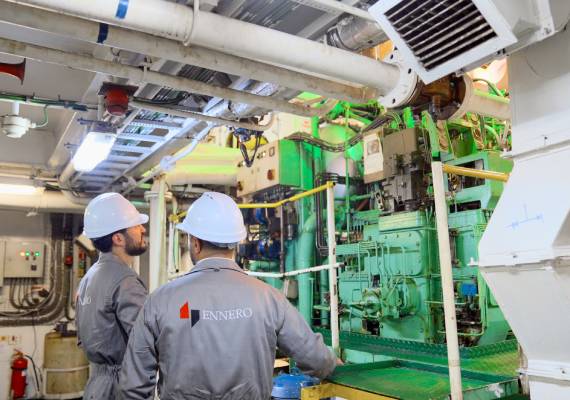
Ships cut across oceans, engines running nonstop for weeks. Each rotation burns fuel, but poor lubrication forces crews to add oil again and again. This wastes resources and money. Operators look for ways to keep engines cleaner and working longer with less waste. The answer sits in modern formulas that lower friction dramatically.
This article looks at the ways in which marine lubricants change the game for vessel efficiency.
Pick the right viscosity:
Choosing the correct thickness for your oil is the first step to saving. If the fluid is too thick, the engine works harder and burns more. If it is too thin, parts rub together and wear out fast. Modern fluids stay stable even when the engine gets very hot. This balance reduces the amount of oil the system needs to stay safe.
Monitor feed rates:
Old engines used to spray oil at a set speed regardless of the load. New systems allow for precise control over how much fluid enters the cylinders. Lowering the feed rate by small amounts adds up to huge savings over time. It prevents extra oil from burning away and turning into waste. Watching these levels daily keeps the system efficient.
Use synthetic options:
Synthetic fluids last much longer than standard mineral oils. They do not break down as fast when the engine works under heavy pressure. Because they stay clean for longer periods, you do not have to change them as frequently. This means you buy less product over the year. Using these advanced fluids reduces the total volume of waste generated.
Check for leaks:
Small drips might seem minor, but they create a big mess and waste expensive supplies. Regular inspections help catch loose seals or cracked pipes before they get worse. Keeping the engine room dry and clean makes it easier to spot new problems. Tightening a single bolt can save liters of fluid every single week. A tight system is a cheap system.
Analyze oil samples:
Sending small samples to a lab helps you see exactly what is happening inside the machine. These tests show if the oil is still good or if it needs replacing. Sometimes oil looks dirty but still works perfectly fine. Testing stops you from throwing away perfectly good fluid too early. It provides a clear picture of how to manage your stock.