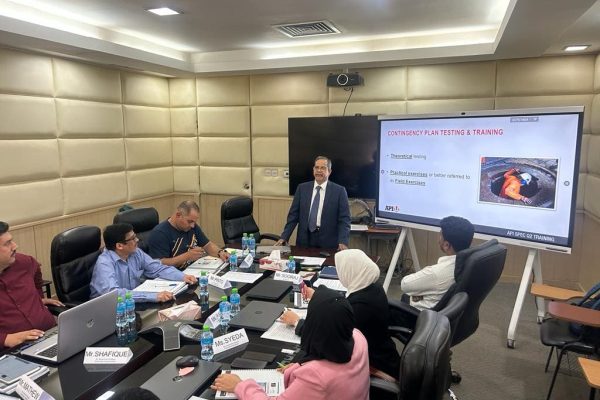
API standards play a critical role in improving operational safety across industrial sites. Developed to regulate equipment design, manufacturing, and maintenance, these standards ensure components meet strict quality and performance requirements.
By following guidelines taught in American petroleum institute training, companies reduce the risk of equipment failure, leaks, and operational hazards. Consistent compliance protects workers and assets and supports safer, more reliable operations across demanding industrial environments.
Setting high quality levels:
Rules for making parts ensure that every bolt and pipe can hold up under pressure. When manufacturers follow the same steps, the risk of a part breaking stays very low. Testing these items before they arrive on a site stops weak materials from causing a leak or a fire. Workers can trust the tools in their hands because every piece meets a tough set of requirements.
Improving inspection routines:
Regular checks keep systems running without any sudden stops or breaks. These standards show teams exactly where to look for rust or wear before a small crack becomes a big problem. Using a set schedule for these eyes on tasks keeps the site in top shape. Inspectors use these rules to grade the health of the gear so repairs happen before any danger arrives.
Training teams for success:
Safety comes from people being ready for anything that might happen during a shift. These guidelines offer a way to teach workers the best ways to handle heavy gear and hot fluids. Learning the right moves prevents simple mistakes that lead to trips or falls. A well trained crew stays calm and follows the right steps if an alarm ever starts to ring.
Managing pressure safely:
High pressure systems need special care to keep them from bursting. Standards set the limits for how much stress a tank or pipe can take before it gets risky. Pressure relief valves act as a back up to let out steam or gas when levels get too high. Keeping these valves in good shape ensures that the whole site stays stable even when production speeds go up.
Protecting the local area:
Spills and leaks can harm the dirt and water around a work site. Rules for sealing pumps and tanks keep chemicals where they belong. These standards help design systems that catch leaks before they touch the ground. Clean sites are safer for the workers and better for the people who live in the nearby town or city.